Showing posts with label Sagada. Show all posts

MEN IN THE CORDILLERAS!

Let's not label all these guys Igorot because they're really not. The Cordilleras encompasses six provinces, namely Abra, Apayao, Benguet, Ifugao, Kalinga, and Mountain Province. A mountainous region found in the Philippines. Guys here more often than not have distinct features but I wont try to stereotype them here.

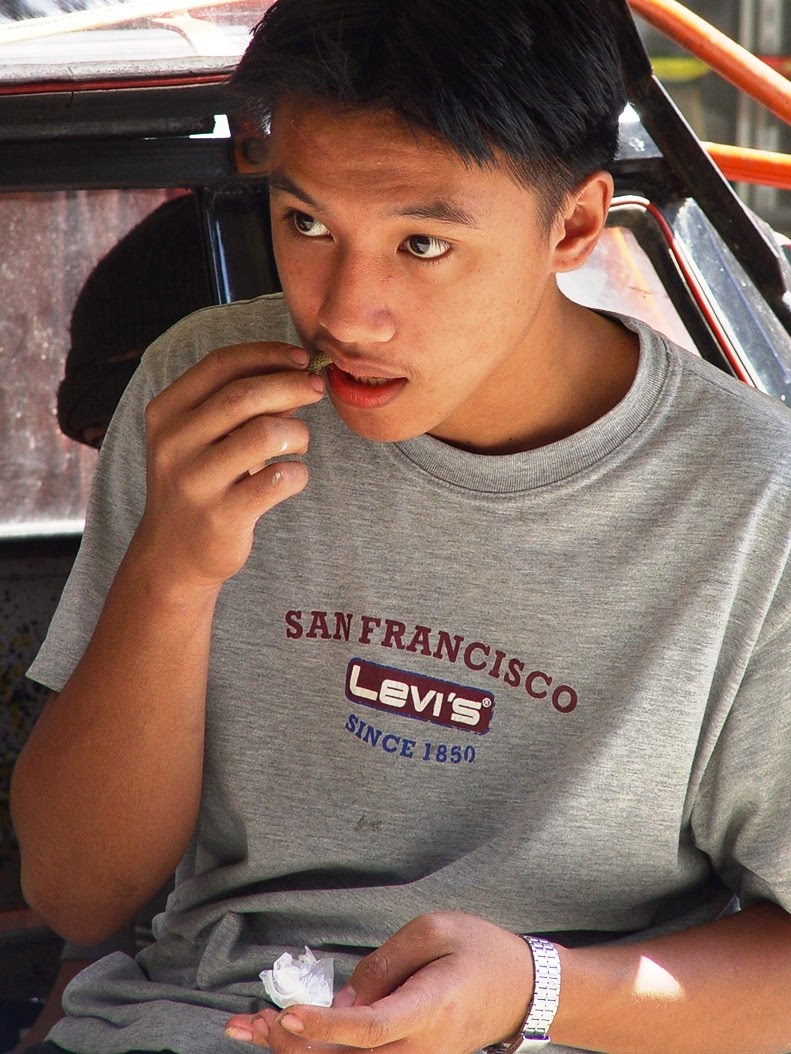
The Momma-Chewing Guys in Banaue.
Betel-chewing is more prevalent in Banaue than in anywhere else in the region. You see them chewing and spitting constantly. But not so much now in Sagada because spitting of momma is prohibited.

I asked some of these guys why they like to chew on this concoction and they seemed to have vague answers as to why. Relaxing. Calming. It's probably like smoking cigarettes where you really can't say why you like smoking. It's a habit.

Guys carry with them plastic containers of these concoction. Betel nuts, paste, mixed together then wrapped in a leaf. The chewing of this produces blood-red spits.

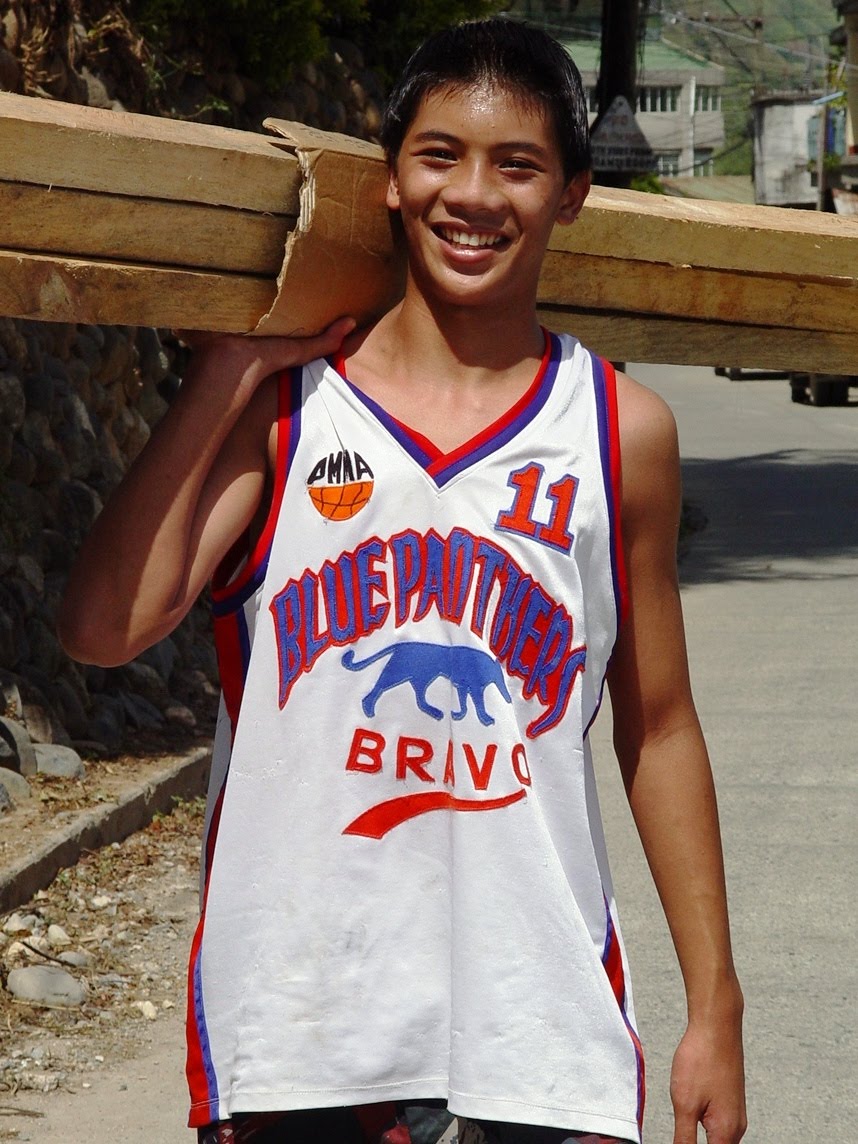
Portraits. Male. Guys. Men. Boys. Highlanders. Igorot.

SHOTS!
These images are random shots. Depicting situations. If, for any reason, you find yourself here and want to be removed. You may contact our Facebook Page. Your images maybe deleted permanently.

Banaue


MOUNT POLIS
These guys work at a quarry site on a mountain side in Mount Polis.


SAGADA


BONTOC


SAGADA PINIKPIKAN

Pinikpikan is an Ilocano word meaning, tapped repeatedly. In this case, a chicken is hit with a stick repeatedly to coagulate its blood before cooking, which believed to add flavor to the chicken meat when its cooked.

PINIKPIKAN AT BOMOD-OK FALLS
Let's have a cooking lesson, shall we? 😂

If you've been to the Cordilleras, this dish is as synonymous as the Rice Terraces to Banaue. So it would be interesting to learn a bit about it. Our tour guides, happened to suggest we would have pinikpikan for lunch in Bomod-ok Falls.  bring some etag  a live chicken, and uncooked rice for our Bomod-Ok Falls trek.

So on our long way to the falls, we gathered the ingredients along the way. Pretty cool. We bought rice. We bought etag at some small shop (very salty cured pork meat). Then a live chicken at another shop. About halfway to the trek, some cabbages. Ingredients complete.

Note:
This trek happened prior to my being a plant-based eater!

12 Steps of Cooking Pinikpikan 😂
1. Gather some twigs and woods for fire.


2. Beat the sh*t out of the chicken. Sorry Peta. I know this is beyond cruelty.


3. Put the chicken over the flame.


4. In a group effort, remove the feathers.


5. Repeat the process: flaming and skinning the bird.


6. Take the innards out and chop the chicken using a metal scrap.


7. Wash the innards in the nearby stream. Add it to the dish later.


8. Add mountain spring water to the rice for cooking.


9. Dump the cooked rice onto banana leaves and use the casserole for the chicken dish.


10. Cover the cooked rice with some wild ferns to protect it from the elements.


11. Add greens to the dish for the final touch.


12. Viola! Chicken Ala-Montagne. Bon Appetit!


And for more primeval effect, a bamboo stick plus the bottom half of a plastic bottle was utilized as a serving spoon for the soup. Banana trunks for plates. All worked out great! Quite ingenious, these Igorot guys.

BEGNAS FESTIVAL, SAGADA

Begnas Festival is one of the prides of Sagada, Mtn Province, Philippines.

BEGNAS FESTIVAL
Begnas is a celebration commemorating a good harvest season. It is to ensure the productivity of good crops comes for the entire year. Pigs, dogs, and chickens would be slaughtered for the feast. Yes, dogs! I have a sinking feeling this may offend some individual but it is a tradition, none the less. I personally strongly oppose to it. But I'm here merely ti observe.

Held every 2nd day of November.
Everyone is welcome to join the feast, tourists or otherwise. The whole community including other nearby villagers and visitors were warmly invited to join the feast. Locals gather in their customary get-ups, play their traditional musical instruments, and happily performed their cultural dance.

A Bit of History
Historically, during Begnas, females are requested to cook for the elders and dine separately from the men.

These elderly women were preparing their offertory food.

Dap-Ay
The ritual is held in a Dap-ay. It is a circular gathering place where stones are positioned on the ground in which it symbolizes the civil conflict among indigenous tribes in Sagada. Each stone represents a beheaded head or skull (from an opposing village) being buried underneath, connoting one's tribe victory during a particular civil war. The head denotes a seed of the spirit.

These men in warrior get-ups head for the cold pond to swim. Part of the festivities.

Preserving An Old Tradition
Many observers or on-lookers of the tradition may find the slaughtering of dogs deeply disturbing. I myself personally is saddened by this on-going tradition. Although dogs are just one of the many livestock being slaughtered at these feasts. Pigs and chickens are also quite common. I do believe in giving respect to everyone's culture and traditions, how shocking it might be.

slaughtering a dog for the feast

SAGADA, MOUNTAIN PROVINCE: Panag-apoy

Panag-apoy is one of the many prides of Sagada, Mtn Province, Philippines.

PANAG-APOY
Panag-apoy (a celebration of fire) is a tradition Sagada observed every 1st day of November. Started only during the 1900s when the Christians introduced the celebration of All Saints Day to the native Igorot. It is sort of a blending of both Christian tradition and Igorot tradition. Christians light candles to their dead while Igorots burn firewood to light and warm their dearly departed.

On my own account.

I noticed a thick smoke bellowing over at the cemetery near the Echo Valley from my room window at the guesshouse. It was 4:30 PM. The sun was just setting. I saw people rushing over to the place. I followed the growing crowd making their way to the cemetery. Many were carrying bundle of fire woods. A wood called Saleng.

Salengs are mainly pine and are preferred to use because it burns quickly.

Dante's Inferno?
I saw glimpses of glowing fire behind the pine trees ahead. It has gotten more intense and surreal as I got closer to the cemetery. A scene straight out of Dante’s Inferno greeted me!

Sagada On Fire!
I have read about this ‘Sagada On Fire!’ from a magazine a few years back and have wanted to see it for myself. After putting it off so many times, I finally got to see it.

How the Tradition is Observed
This tradition is unique only to Sagada. The tradition remains intact for the most part but it has changed in many aspects. The once solemn tradition has become an spectacle of some sort. A showcase for tourists and the media. I saw major TV networks crew on the ground. Photographers, like me (guilty), were on the hunt for that perfect shot, often, just a few inches away from someone's face, shooting at them, definitely invading their privacy.

Now A Tourist Attraction
Some locals may find this very discomforting but many choose to ignore as they see the benefits it brings to their community. Their town has gained so much popularity over the past years because of events such as these. It has brought in buses of tourists to the local economy.

Add This To Your Bucket List
Sagada is fast becoming a must-see destinations not just for the usual hanging coffins, caves, and waterfalls any more, but this spectacular tradition of burning woods during All Saints Day. Many locals and foreigners choose to come here despite being an important date for most of us - a day when we actually go visit our dearly departed at the cemetery.

One Tough Call to Make!
It is a tradition too interesting to pass on. You may want to skip your usual visits to your dearly departed every 1st day of November or All Saints Day. Instead, head up to Sagada and wonder at this fiery event so interestingly unique.

Heading off to the cemetery

Bunch of woods called saleng.

PUNGAS FALLS, SAGADA

Pungas Falls is just one of the prides of Sagada, Mtn Province, Philippines.

PUNGAS FALLS
If I have to recommend three things to expore in Sagada, this has got to be one of them. Not as popular as the other falls and not usually mentioned by the guides because of its treacherous trek. Located in barangay Ankileng, about 3 hours by foot from Sagada town center.

To reach Pungas Falls, you can take a jeep going to Barangay Ankileng, a 15-min ride. But why when you can do it by foot and have the best trek in Sagada. Approx 4 km of an epic landscape of muddy roads (rainy season), hillside pine trees, incredible views of mountain side villages and rice terraces.

At A Junction
After an hour or so of leisurely walk from Sagada town center, you get into a Y-junction. The road splits into two, between Sagada Rd and Mabisil Rd. Take the Sagada Rd on your right.

Barangay Ankileng
For another 30 minutes walk from the junction is barangay Ankileng, the jump off point to the falls. A very quiet community where the only thing I saw were a small number of kids running around the vicinity of the local high school ground.

The Rice Paddies Trek
Just past the high school building is a small suspension bridge. This connects you through the rice paddies and lots of muddy fields. By the way, it's a good idea to bring bottled water and some snacks while you're at it. There is a small store in the village. And please be a responsible visitor. Do not leave your trash anywhere. Instead, dispose it properly in a trash bin.

One Last Tiny Village
After a nice walk through those rice paddies surrounded by breathtakingly awesome sceneries of what nature can offer, you get to another small village where an informal registration shack is located. A minimal fee of P10 is required to continue onto the trek to the falls.

Now, Onto the Muddy Stuff
The surrounding view was just awesome, like i said it over and over again. I guess i was just too ecstatic to all the beauty this place has. And who would really care about a little mud on your shoes, right? Unless your slippers get stuck really deep into the muddy puddle, that it's almost impossible to retrieve it. Even then, I think that would make it even more awesome. And that's exactly what happened to one of my friends.

Pungas Falls
The falls cascade gorgeously to several levels. It looked amazing. So full of awesomeness this waterfalls. And as expected, the water is icy-cold. The best part of it all, there were no other souls around. Would have been perfect time and place to bring out those cannabis you've been stacking up inside your undies and start soul searching. Only none of us were that kind of adventurers.

Out In the Open, Into the Dark!
Heading back to Ankileng was excitingly dangerous. We passed by the edge of a slippery mountain, in the dark! No flashlights. Nothing. If one is not careful and truly unlucky, he could be in a real shit down below a deadly ravine. This trek was absolutely one unforgettable adventure I'll be remembering for along time.

BOMOD-OK FALLS, SAGADA

Bomod-Ok Falls is one the many prides if Sagada, Mtn Province, Philippines.

BOMOD-OK FALLS
Bomod-Ok Falls plunges 20 meters off of a hill top, creating this freezing mist in and around its milky aquamarine pool. One of Sagada's hidden gem destination.

To reach Bomod-Ok Falls, you can take the jeep going to Bangaan, a 15-min ride. But why when you can do it on foot. Approx 5 km of an epic landscapes of hillside pine trees and awesome views of rice terraces.

The Epic Trek to Bangaan
Hiking together with friends plus a couple of locals is the way to do it, at least, for me. Otherwise, I would have missed the opportunity to take great photos of the incredible sceneries; the towering pine trees, the deeps and valleys, the mountains, the rice paddies, the tiny villages, the locals we met along the way. It’s just too awesome to miss.

It takes about an hour and a half to reach a village called Bangaan, the jump off point to the falls. This is the old Bangaan High School building.

Descending to Fidelisan Village
As we reached Bangaan, we immediately went to a long descend down the side of the mountain on a cemented steps of approx 30 mins to Fidelisan village where we stop to register. (P10/head).

Cat-walk on Rice Paddies!
From Fidelisan Village we continued trekking thru rice paddies towards the waterfalls. A 30 min easy. The waterfalls is well hidden behind the mountain; only when you reach the outer bank would the falls can be seen.

And Finally, The Big Falls!
If you want to see the legendary fall’s rainbow, be there before noon. Freezing cold mist from the falls was really a nice welcome.

Bomod-Ok Falls

SUMAGING CAVE, SAGADA

Sumaguing Cave is one the many pride of Sagada, Mtn Province, Philippines.

SUMAGUING CAVE
This is the best known attraction in Sagada after the Hanging Coffins. Undoubtedly, the most popular among tourists. With two adventure options to choose from, the short easy fun route or go for the more daring Cave Connection. Tour Guide is A-Must for this adventure.

CAVE CONNECTION
Normally takes 4 hours to traverse but can take up to 5 hours to some. The entrance at Lumiang Cave is big enough to fit one person at a time. There is no backing out once you enter the cave. Narrow crevices to fit your body in between rocks. Deep tunnels. Careful not to slide yourself into the abyss. The steps are extremely challenging, where at times, very slippery. You will definitely get muddy. Do not wear your favorite shirt. You will submerge into icy cold water. Good for the mind & body.

There are two accredited guide association to chose from. SEGA (inside the Municipal Hall) and SAGGAS (near the Yoghurt House). Costs are standard so pick your pick.
  • Environmental Fee - P50/head
  • Tour Guide - P800 (2 pax)
  • Land Transport - P350 (optional)
Short route
It could take up to an hour and a half inside the cave. All fun and excitement here. The rock formations you see inside are unmatched in awesomeness! Freezing cold crystal-clear water pools all around you. You will rappel down and up. Fun fun fun!

First things first.
Some people choose to rent a van to go to the cave. It costs P350 for deliver & pick-up. But if you're fine with walking passing thru a view of Kanip-aw Rice Terraces, skip the freakin' car.

There are two accredited guide association to chose from. SEGA (inside the Municipal Hall) and SAGGAS (near the Yoghurt House). Costs are standard so pick your pick.
  • Environmental Fee - P50/head
  • Tour Guide for the Short Route - P500 (up to 4 pax)
  • Tour Guide for Cave Connection - P800 (2 pax)
  • Land Transport - P350 (optional)
Tips:
It’s ideal for you to bring your own headlight, not flashlight.
Wear a good pair of slippers or wet shoes, shorts, & t-shirt.
It can get very dangerous when the weather is bad, prone to flush flooding.
Guides are professional, so you're in good hands. And their humor are a hoot!

So, have you decided which route to take?

SAGADA, MOUNTAIN PROVINCE

So many points of interest in Sagada, Mountain Province, Philippines.

POINTS OF INTEREST:
  • Hanging Coffins
  • Burial Cave (Lumiang)
  • Echo Valley
  • Kiltepan Ridge
  • Underground River (Latang)
  • Bokong Falls
  • Danum Lake
  • Pottery Barn
  • Episcopalian Church
  • Cemetery
  • Bomod-Ok Falls
  • Pungas Falls
  • Panag-Apoy
  • Begnas Festival
  • SAGADA: Pinikpikan
SAGADA
I used to come here lot, like almost every year until it started to spring up multi-stories building structures. Hotels are rapidly crowding up this mountain community! Gone are the laid-back days of Sagada. It’s a regrettable change. It somehow losts its idyllic feel that I so adore.

HANGING COFFINS
There are actually many hanging coffins all over Sagada, but this one in Echo Valley is the most famous, or at least, the most visited of them all. You don’t need a guide to see this because it is not far from the cemetery (located near the Episcopalian Church). Although, you may not find it unless someone point it out to you. Feel free to ask the locals. They'll be more that happy to tell you where.

ECHO VALLEY
Again, a tour guide is not needed here. Just go pass the church and ask the locals where Echo Valley is. A great place to chill; under the pine trees, overlooking the opposite cliff. So called the Echo Valley because it echoes when you call out or shout out a word over to the opposite cliff.

LUMIANG CAVE
Also called the Burial Cave. Tour guide not needed when you visit this cave. About 2.5 km from the town center. It's where you find a stack of coffins piled on top of each other at the opening of the cave. It is a sacred burial ground for the natives. This is also the starting point of the Cave Connection tour.

KILTEPAN RIDGE
A before-sunrise adventure. Do a 4AM walk/jog to Kiltepan ridge, wait for the sun to clear out the clouds below and witness a surprising view of a magnificent rice terraces below. This is slso accessible by a vehicle.

LATANG UNDERGROUND RIVER
If you trek to the Underground River, you will see several "Hanging Coffins" along the way. You may need a guide to go here because it's hard to find. Basically, it's just a huge cave opening where the river runs through. But, you may want to continue this trek all the way to Bokong Falls.

BOKONG FALLS
also called the Small Falls. Not far from the town center. Walk along some rice paddies to reach this small waterfall. It has a natural swimming pool with icy-cold water.

DANUM LAKE
Approx 30 minutes of an easy walk up high above the town. Pass by the Pottery Barn. It is a small lake which is great for picnics.

POTTERY BARN
Once a thriving pottery-making shop now almost abandon. Although it still in existence, one can go visit this rustic shop a midst some towering pine trees. You can still buy some items if someone happens to be in the shop. Otherwise, just grab what interest you and leave the money on the counter?

SAGADA CHURCH
Episcopal Church of St. Mary the Virgin. The oldest Christian Church in Sagada. Built in the early 1900`s. This church is one of the first landmarks you will see in Sagada.

CEMETERY
A cemetery laid out on a sloping hill. Jose Masferre's grave can be found here, the only Filipino/Spanish photographer ever featured at the Smithsonian.

Here lies Jose Masferre. He is a famous spanish photographer who first documented the lives of the people of Codilleras. This is his tombstone along side his wife.

Even the way you see its unique natural attractions, now its in a big group one after the other. It used to be either you do it yourself or just a one-on-one guide.

Night Life
Because you would be so tired from your whole day of hiking, spelunking, and trekking, it’s only fitting that you won’t need another strenuous activity at night. Sagada has zero nightlife! Well, almost. If you consider hanging out in a subdued bar a “nightlife”, then OK. You can go to the Kimchi Resto Bar, which is one of the very few bars open pass 9PM. (Prior to year 2013 when Sagada still holds its idyllic charm).

EXPENSES
I know we all look for the cheapest everything, room, hostels, accommodations, food, transportation, etc when we travel. Let's switch on a low budget mode.

Transportation
-By Car – P3000 (approx) + 476 toll fees
-Bus fare - P430 (Manila - Baguio)
-Bus fare – P220 (Baguio - Sagada)
-Accommodations – P250/night
-Food – P300/day (average daily)
-Tour Guide – P200 (average share)

This Bitchin' Halsema Highway.
A bus ride from Baguio to Sagada can be a real bitch! (via Halsema Hwy). And at the same time, an awesome experience. I think it is the most challenging highway in the world. It is a continuous seven-hour drive to the most zigzagy road you would ever pass through. By the time you reach Sagada, your head would be so heavy. So, it's not unusual to see passengers puke at the end of the trip. But on the other hand, the view of the mountain villages, along the way, is incomparable to anything you have ever seen or imagined. Rice terraces galore and numerous small communities dotted the mountain range from far, deep, and wide.

Commuting vs. Driving!
Commuting:
Bus from Manila to Baguio:
-Victory Liner P430
-Dagupan Bus P450
Bus from Baguio to Sagada:
-Lizardo P220

Driving: (3 possible routes)
Approx gas is P3000 + P476 toll
-Manila, Baguio, Halsema Hwy, Sagada
-Manila, Isabela, Legawa, Banaue, Bontoc, Sagada
-Manila, La Union, Tagudin, Cervantes, Sabangan, Sagada (NEW ROUTE!)

How much for a room in Sagada?
Municipal ordinance dictates that accommodation charges be uniformed. From Php 200 – 350, nothing more, nothing less: Practically everywhere you go, they charge 250 per head. It depends on what amenities included.

Sagada Guesthouse 250 per head

Green House Inn 200 per head

Igorot Inn 250 per head

Yellow House 200 per head